Finding a balance between Illumination and Shade: The Importance of Right of Light Surveys
Within the intricate world of property development, the balance between maximizing space alongside ensuring compliance to legal rights becomes crucial. One of the key concepts in this context is the right to light, a legal entitlement that allows property owners to receive certain amount of natural light coming through their windows. However, Right Of Light Surveys Heston London related to this right can result in confusion, disputes, and potential delays for building projects. This is where right of light surveys come into play, serving to be essential tools for developers, homeowners, alongside architects alike.
Understanding what a right of light survey involves and its significance can conserve substantial time and money, preventing potential legal battles while facilitating smoother planning applications. With advancements in technology and the increasing demand for urban development, these surveys are become increasingly vital. This article will explore the importance of right of light surveys, their functionality, and what property developers, homeowners, and construction professionals should be aware of in order to navigate this often-overlooked aspect of property rights successfully.
Grasping Right of Light Surveys
Right of light surveys are vital analyses performed to identify the amount of sunlight that reaches a property. These surveys assess current light levels and evaluate how planned developments may affect the availability to light for neighboring properties. By measuring light entry and understanding building standards, these surveys offer important perspectives for property owners, developers, and designers alike.
The juridical framework surrounding right of light is established in common law, with rights usually emerging after a continuous period of twenty years of clear light. This implies that if a property has received a certain degree of natural light for this duration, the holder may have acquired a right to continue enjoying that light. A right of light survey aids to recognize and measure these rights, rendering it a essential step in the planning process for any new development or extension.
In furthermore to legal implications, right of light surveys play a significant role in the construction stage of development initiatives. They aid to spot potential conflicts with surrounding properties early on, enabling developers to modify their designs to minimize disruptions. Comprehending these considerations not just aids in adherence with local zoning laws but also encourages better ties with surrounding property owners, lessening the probability of conflicts during and after development.
The Impact of Light Rights on Development
The access to light is a significant consideration for property entrepreneurs, as it greatly influences the viability and design of construction efforts. When considering a development, understanding existing light access rights is crucial to prevent potential disputes with nearby developments. If a new building violates on these rights, it can lead to significant legal challenges and delays, making it critical for contractors to proactively analyze these factors during the early planning stages.
Additionally, light rights surveys play a key role in the decision-making process regarding the magnitude and placement of new projects. Developers who gather accurate assessments and analyses of light conditions can make smart design choices that enhance natural light while lowering the risk of legal disputes. This anticipatory approach not only helps in effective site planning but can also enhance the attractiveness of the development by confirming that residential or commercial spaces benefit from ample daylight.
Moreover, integrating light rights considerations into the planning phase can greatly impact planning applications. Authorities frequently favor developments that are considerate of neighbors' light access, influencing planning decisions. Therefore, having a comprehensive right of light survey conducted early can facilitate the approval process, reduce risks, and ultimately contribute to a project’s achievement and sustainability in a challenging market.
Mitigating Litigation Through Conducting Right of Light Surveys
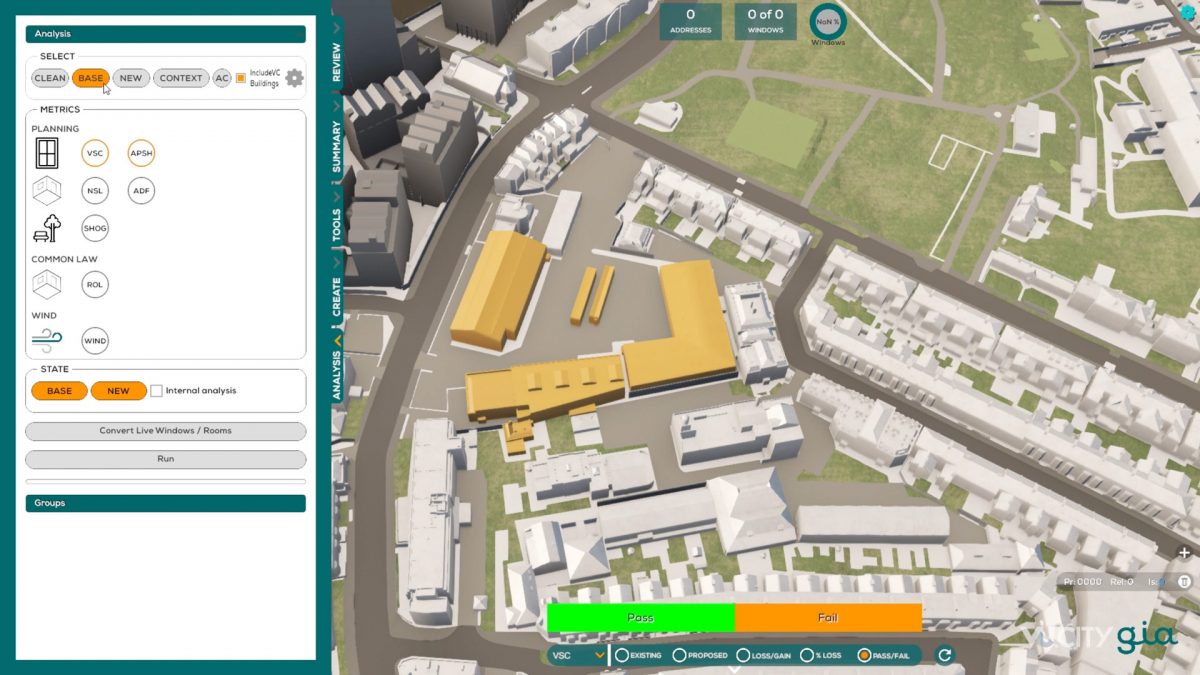
Right of light surveys play a vital function in avoiding financially draining legal disputes between developers and surrounding property owners. By evaluating the potential influence of new constructions on pre-existing light access, these surveys aid identify any violations of light rights regulations before they escalate into arguments. This proactive strategy permits developers to formulate informed decisions and adjust their designs to lessen disturbance for surrounding residents.
Hiring a skilled light rights expert early in the design process can significantly diminish the possibility of litigation. These professionals utilize sophisticated methods and equipment to provide accurate measurements and representations of light conditions, confirming conformance with legal standards. Possessing a clear understanding of potential issues, developers can manage any issues through discussion with impacted individuals, resulting in amicable settlements instead of legal battles.
Ultimately, spending on a right of light survey not solely protects developers from unexpected legal challenges but also encourages good connections within the community. By acknowledging the rights of neighboring properties as they undertake new projects, developers can steer clear of detrimental conflicts that hinder development timelines and add to financial burdens, resulting in a more straightforward journey towards successful accomplishment.