Illuminating Entitlements: Comprehending The Right to Light
The right to sunlight is a vital aspect of property law that impacts homeowners , builders, and commercial property owners alike. Grasping this right is essential for anyone involved in real estate or construction, as it dictates the level of natural light that a property can legally expect to receive . This legal entitlement has considerable implications, particularly in metropolitan zones where buildings may block each other. With the rising density of developments, the Right to Light has turned into a vital aspect during design and construction phases.
In this article, we will delve into the complexities of the Right to Light, including its importance for property owners and the potential consequences of encroaching on this right. From managing Right to Light assessments to interpreting legal conflicts and compensation , this detailed guide aims to equip you with the knowledge necessary to preserve your natural light and guarantee compliance with applicable laws. Whether you are thinking about a new extension or are a property buyer inspecting a potential investment, comprehending the details surrounding the Right to Light is imperative for successful property management and development.
Grasping the Right to Light
The Right to Light is a doctrine that ensures a property owner has the right to obtain natural light through their apertures or additional openings. This right typically arises through longstanding use and can be a critical consideration for both homes and commercial properties. It defends against any new developments that may obstruct this light, impacting the livability and overall value of a property.
In the Britain, the Right to Light is chiefly controlled by case law, and to secure a right, a property owner must usually show that they have had adequate natural light continuously for a set period, usually 20 years. The right remains as long as the light has been enjoyed and can substantially influence planning decisions when developers put forward new builds or extensions that could block existing light.
Comprehending the Right to Light is important for property owners, as neglecting to recognize this right can lead to disputes, costly discussions, or even legal challenges. Right to Light Surveys Grove Park London must factor in the implications of their plans not only on their property but also on adjacent land, making early evaluation and potential surveys an integral part of the development process.
Impacts on Real Estate Development
The right to light can substantially affect property development projects. Developers must take into account the possible effects on daylight to existing properties when designing fresh buildings or additions. A neglect to consider right to light issues can result to disputes, delays, and additional costs. In many cases, planning approvals may be rejected or contested if proposed developments violate the light rights of neighboring properties, making it critical for developers to conduct thorough assessments early in the design process.
Understanding the law surrounding the right to light is crucial for avoiding issues during development. Developers should be aware of the 45° rule, which commonly serves as a guideline to determine if a proposed structure will obstruct light to existing windows. Furthermore, working with a right to light specialist can assist identify possible issues and provide remedies, ensuring adherence with regulations while enhancing the possibilities for development.
Integrating right to light considerations does not just facilitate smoother project execution but can also increase the overall worth of the property. Successful projects that honor the natural light rights of adjacent properties often lead to improved relationships within the community and can shield developers from future litigation. By prioritizing right to light assessments, developers can build more sustainable and desirable living spaces that benefit all parties concerned.
Managing Right to Light Conflicts
Right to light disputes frequently happen when a recent construction blocks an already-established access to daylight. Landowners may feel their rights are being encroached upon, causing disagreements with adjacent property owners or developers. It is crucial to comprehend the subtleties of these issues, including relevant laws and the potential for settlement before resorting to legal action. Open communication with all parties involved can sometimes lead to acceptable resolutions without resorting to costly litigation.
When facing a light access conflict, it is crucial for landowners to compile evidence that supports their case. This may entail conducting a light access assessment, which measures how much light is available at the moment and how much would be reduced due to the new development. Engaging a certified right to light surveyor can provide important insights and enhance your position in negotiations or court cases. Documenting discussions, contracts, and any served notices can also have a critical role in addressing disputes in a more effective manner.
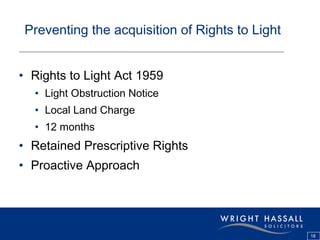
Property developers and builders should be proactive in mitigating possible right to light conflicts during the planning stage. Conducting detailed assessments and requesting early advice can help detect possible conflicts. This preemptive approach not only assists in gaining development approval but also fosters good relationships with neighboring property owners, reducing the likelihood of conflicts arising post-construction. By focusing on transparency and communication, a more seamless development process can be achieved.