Integrative Wellness: The Importance of Dietary Supplements in Cancer Risk Reduction
In recent years, the conversation related to cancer treatment and prevention has expanded to include a number of integrative approaches, especially the use of dietary supplements. As people become increasingly more aware of their health options, a growing number of individuals are looking to supplements in hopes of harnessing their possible anti-cancer properties. However, going through the myriad of options available can be daunting, leaving individuals questioning what supplements are backed by science and what might simply be marketing hype.
This article aims to unravel the role of supplements in cancer prevention and treatment. By exploring the latest research on natural compounds and their potential benefits, we will provide insights into how certain vitamins, minerals, and herbal supplements may assist the body during cancer care. Additionally, we will confront common myths and misconceptions, helping readers make informed decisions about incorporating supplements into their wellness routines while cooperating closely with healthcare providers.
Cancer-Combating Supplements: Research Findings
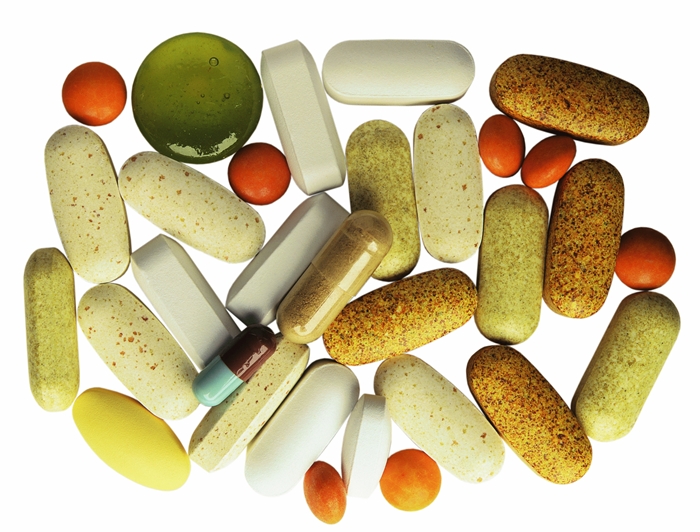
The field of cancer prevention is continuously changing, with many studies exploring the role of dietary aids in this vital area. Research indicates that particular anti-cancer nutritional aids may provide health benefits by enhancing the body's immune response, reducing inflammation, or outright obstructing with cancer cell development. For instance, substances like curcumin, found in turmeric, and a type of polyphenol, present in red wine, have demonstrated promising anti-cancer properties in clinical settings. However, translating these effects from the lab to everyday applications remains a complex task, requiring more clinical trials for verification.
With the growing trend of dietary supplements, it is important to separate wish from overstatement. While certain personal evidence and initial studies suggest promising benefits, not all supplements are the same. For example, while free radical scavengers like ascorbic acid and E are often claimed for their health benefits, recent research shows mixed results regarding their role in cancer prevention. Understanding the scientific foundation behind each supplement can aid patients and guardians in making educated decisions about their application during treatment and as prophylactic actions.
Moreover, the relationship between dietary supplements and standard cancer treatments necessitates careful attention. Some nutritional aids may boost treatment efficacy, while others could complicate or lead to undesired side effects. Anti-Cancer is vital for those undergoing treatment to discuss frankly with their medical team about any supplements they are thinking about. Honest discussion can help spot evidence-based nutritional aids that enhance overall wellness and manage symptoms, ensuring a comprehensive approach to cancer care that emphasizes safety and quality of life.
The Importance of Nutrition and Nutritional Supplements in Oncology Treatment
Nutrition plays a crucial role in supporting general well-being and well-being for individuals facing a cancer diagnosis. A nutrient-rich and wholesome diet can help maintain strength, support immune function, and improve life quality during treatment. Alongside traditional treatments, diet can be an essential component of oncology care, providing the body with the necessary tools to combat the disease and cope with side effects from treatments such as chemotherapy and radiation.
Nutritional supplements can serve as an addition to nutrition, especially when nutritional intake alone may not satisfy the specific needs of cancer patients. Various cancer-fighting nutrients, including vitamins, minerals like zinc, and antioxidant-rich compounds, are being researched for their possible role in supporting cellular health and mitigating therapy-associated side effects. While some studies suggest positive outcomes, it is vital to speak with healthcare professionals before adding any supplements, as individual requirements and responses can differ greatly.
Integrative oncology emphasizes the connection between diet, nutritional aids, and therapy strategies to improve the efficacy of cancer therapies. By working with oncology specialists and dieticians, patients can learn which supplements may provide auxiliary support without interrupting with their main treatment plan. This team-based approach helps guarantee that nutritional strategies are tailored to the patient, ultimately fostering a more holistic cancer care plan.
Choosing Reliable and Efficacious Supplements
When it comes to selecting cancer-fighting supplements, safety and efficacy should be the top priorities. It's important to talk with a doctor who understands your health background and treatment plan. They can help you identify products that enhance your existing therapies without causing harmful interactions. A detailed conversation about your objectives and any possible supplements can ensure that you are taking knowledgeable decisions customized to your requirements.
Additionally, not all supplements are created the same. Look for those that have undergone rigorous evaluations and are backed by clinical research. Premium products typically have data backing their use in cancer care, as well as certifications or recognitions from relevant health authorities. Verifying for independent verification can also provide an additional level of assurance regarding quality and potency.
Finally, keeping a close watch on how your body reacts to any new supplement is essential. Monitor for any adverse reactions and talk with your doctor about these observations. It is also crucial to stay updated on the latest studies regarding the products you are considering, as scientific understanding of their effectiveness can change over time.