Revealing the Beneath the Surface: A Pros of Suction Excavation
In the dynamic landscape of modern construction, the need for efficient, secure, and ecologically responsible methods of excavation has increased significantly. The vacuum excavation is quickly gaining recognition as a transformative solution that meets these urgent demands. It employs advanced technology to remove soil and debris with accuracy, reducing disruption and ensuring the protection of vital underground utilities. As urban areas persist to grow and infrastructure projects increase in complexity, understanding the benefits of this vacuum excavation becomes essential for contractors and project managers.
This article delves into the numerous benefits of vacuum excavation, analyzing how it operates, its contrast with traditional digging methods, and its role in enhancing job site safety. From reducing project downtime and avoiding costly utility damages to its ecological advantages, vacuum excavation is reshaping the way construction projects are executed. Come along with us as we uncover the underground to reveal the compelling reasons why this innovative technique is gaining a staple in construction, particularly in urban areas where space and utility oversight are critical.
What’s Vacuum Digging and How Does It Work?
Vacuum digging represents a non-invasive digging method which uses a high-powered vacuum to extract earth and detritus from below the surface. This innovative approach is frequently used in construction and utility work, facilitating precise digging near sensitive underground utilities without causing damage. In contrast to traditional excavation techniques which depend on mechanical tools, vacuum excavation employs suction combined with air or water for displace and remove material from the excavation site.
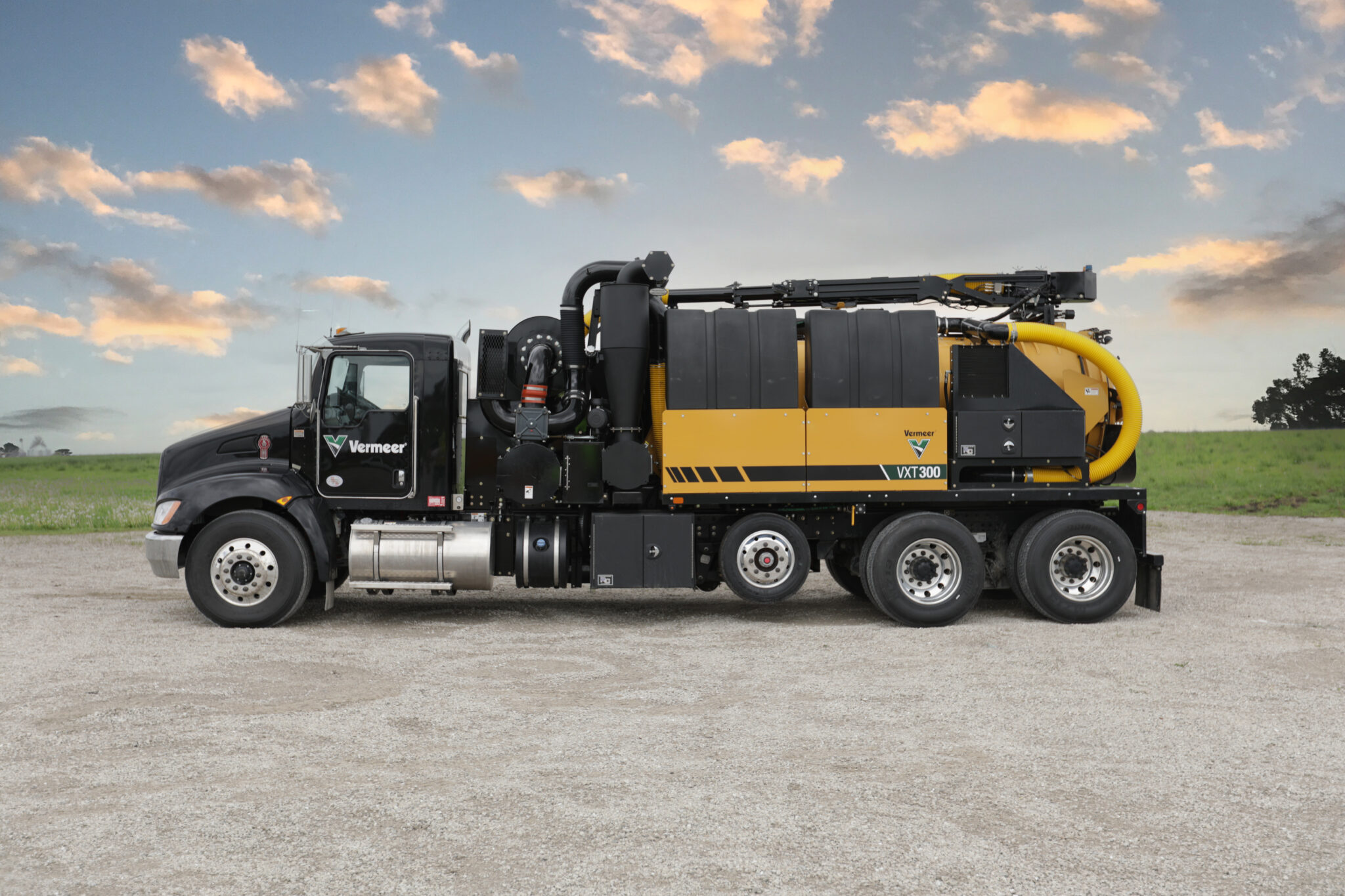
This process begins with a heavy-duty vacuum truck equipped with a substantial tank designed to collect excavated material. A suction hose gets inserted into the ground to form a vacuum seal, enabling the effective extraction of dirt, rocks, and other elements. In many cases, water is used in conjunction with air pressure to soften the soil, which makes extraction simpler. This approach not only streamlines the digging process but and minimizes the environmental impact by reducing surface disturbance.
One of the key advantages of vacuum excavation lies in its capability to offer direct access to underground utilities, including gas, water, and electricity lines. Through the safe exposure of these utilities, construction teams can ensure that they avoid costly damages and disruptions during their projects. Vacuum Excavation Ballymena Northern Ireland preferred choice for urban construction projects, in scenarios where space is limited, and the risk of disrupting existing infrastructure is higher.
Advantages of Vacuum Excavation in Building
This method of vacuum excavation offers a variety of significant benefits over traditional digging methods, mainly through its non-invasive approach. This process reduces the chance of harming underground utilities such as gas lines, water pipes, and fiber optics, which can lead to costly fixes and construction delays. By using high-powered vacuum combined with pressurized water or gas, this technique exposes these services safely without the dangers associated with large machinery. This not just protects current infrastructure but also encourages a more efficient construction workflow.
Another major benefit is the enhanced security it brings to construction sites. This method lowers the risk of accidents by keeping workers away from potential hazards associated with hand digging and heavy equipment. The precision of this method allows for greater clarity of the site and lowers the chances of injury through equipment collision or trips. Additionally, the confined, more intrusive functioning of vacuum excavators means that sites can remain more chaotic, which contributes to overall safer job site conditions.
Economic efficiency is another compelling factor for the rise of this method in modern construction. With lessened construction downtime due to less utility strikes and accidents, jobs can be finished more efficiently and on schedule. The lowered chance of accidents not only saves on direct costs but also reduces insurance liabilities. Additionally, the versatility of this method applications—which include utility installation to digging test holes and maintenance—enables contractors to maximize resources and navigate urban environments more adeptly, ultimately leading to greater overall cost reductions.
Safety and Environmental Benefits of Vacuum Excavation
Suction excavation considerably improves security on building sites by minimizing the risks linked to traditional excavation methods. By utilizing air or liquid to loosen the soil, then vacuum to extract the debris, this method greatly reduces the risk of unintentional injuries from heavy equipment or the caving in of trenches. Workers are kept at a more secure distance from potential hazards, while the precision of vacuum excavation guarantees that essential underground utilities remain undisturbed.
In addition to this to enhancing safety, suction excavation is also an environmentally friendly option. It reduces the need for extensive site interruption, which can lead to soil erosion, sediment runoff, and various ecological impacts typical of conventional excavation. By protecting the surrounding landscape and conserving natural resources, suction excavation plays a vital role in sustainable construction practices.
Additionally, suction excavation aids in reducing the carbon footprint of building projects. The process generates less waste and needs less machinery to move and dispose of excavated materials. This efficiency not only reduces diesel usage and emissions but also limits the overall ecological impact of building activities, making it a preferred choice for projects seeking sustainable practices.