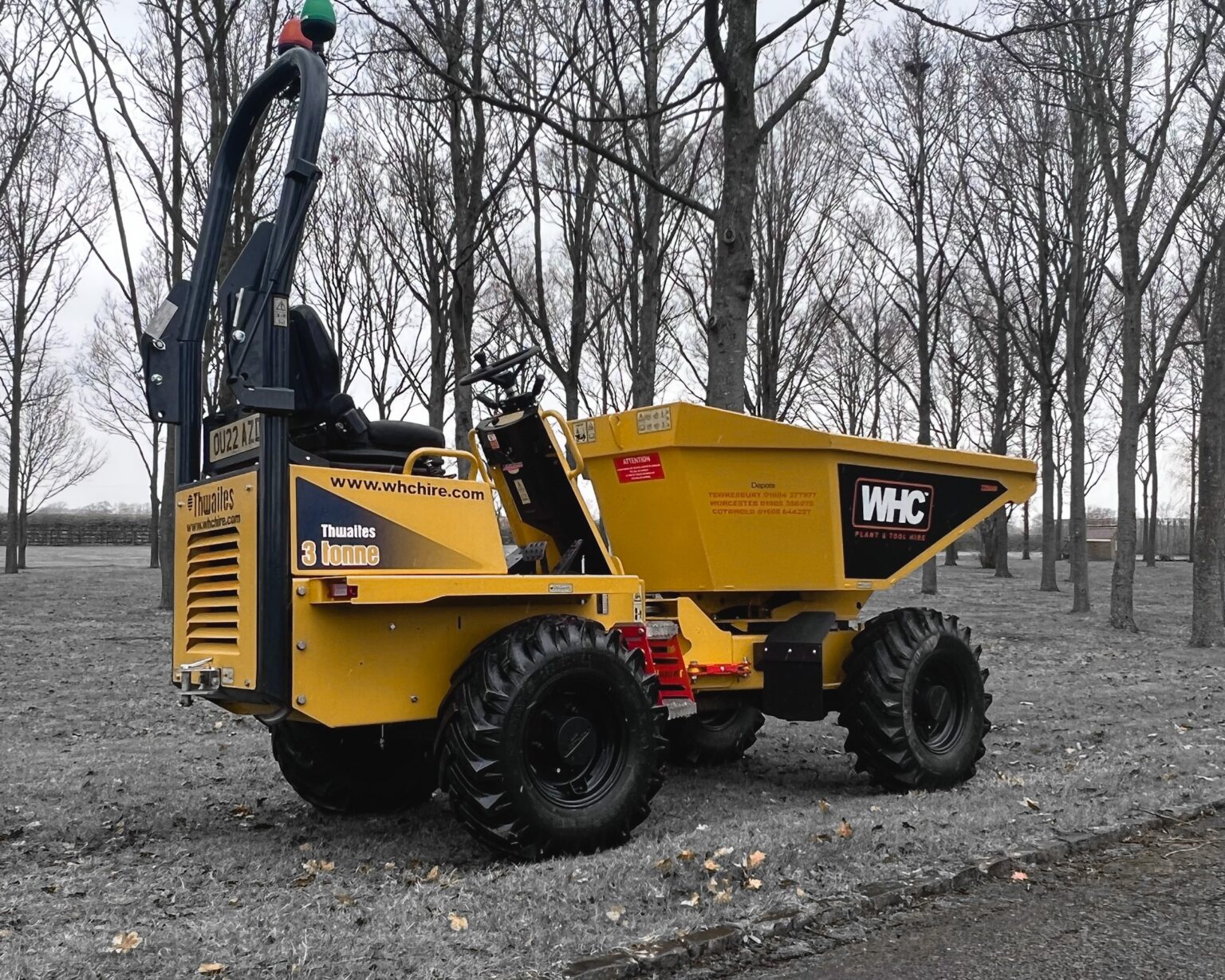
The Hidden Expenses of Dumper Truck Rental That You Must Know About
While considering dumper hire in relation to your construction project, it's simple to focus solely on the rental fees and the apparent ease of having the appropriate equipment at your disposal. However, there are hidden costs that can greatly affect the budget and schedule. Grasping these factors is crucial for anyone looking to optimize the advantages of dumper rentals while steering clear of unexpected expenses.
This article, explores the frequently neglected aspects of dumper rentals, providing insights that can assist you make informed decisions. From the significance of selecting the appropriate dumper size to comprehending maintenance responsibilities and safety rules, we will examine various factors that can influence your project’s success. By cognizant of these hidden costs, you can ensure that the dumper hire experience enhances effectiveness and output rather than adding strain to your budget.
Crucial Aspects for Dumper Hire
When considering dumper hire for your development project, the initial step is to assess the particular needs of your job. This requires reviewing the type of work you'll be carrying out, whether it be digging, landscaping, or demolition. Determining the materials you need to transport and the quantity of that material is essential, as it will influence the size and type of dumper that is appropriate for your needs. Understanding the layout of the site, including any limitations, is also key to avoid issues and difficulties during the hire period.
One more key aspect to consider is the timeframe of the hire. Temporary projects may be advantageous for day-to-day rentals, while extended projects might warrant a more extended rental agreement. This decision impacts your entire budget and should factor in not just the hire rates, but also potential maintenance costs and the equipment’s accessibility. Additionally, deciding whether to select a mini dumper or a bigger model can further refine your choice based on the project scale and the site’s physical constraints.
Lastly, safety and compliance should always be ignored. Familiarize yourself with the regulations for dumper hire in your area, including necessary safety certifications and operational guidelines. Proper training for operators is essential, as is ensuring that all safety equipment is in place before the dumper is used. By being ahead of the game about these considerations, you can help guarantee a smooth operation and avoid unexpected setbacks on your construction project.
Advantages of Opting for Dumper Hire
One of the primary advantages of dumper hire is the affordability it offers for construction projects. Instead of making a large upfront investment in buying a dumper, hiring allows you to allocate resources more efficiently. You can choose the particular dumper type needed for every project, avoiding unnecessary costs on machines that may not be utilized often. This flexibility can significantly improve the overall budget management of construction projects.
Dumper hire further contributes to enhanced efficiency on building sites. By providing easy movement of materials, hired dumpers simplify workflows, helping contractors oversee tight timelines and labor costs. This efficiency is particularly beneficial in residential, landscaping, and road builds, where timely material handling translates into quicker completion rates. With the appropriate dumper, tasks such as debris disposal and site clearance become more feasible, allowing teams to focus on the core elements of construction.
Furthermore, opting for dumper hire ensures access to modern and well-maintained equipment, which is crucial for safety and efficiency. Hire companies typically maintain their fleet rigorously, ensuring that the machines comply with the latest safety standards and technology. This aspect alleviates concerns over maintenance and repairs that come with ownership, allowing contractors to work with assurance, knowing they have reliable equipment on site.
Effective Advice for Efficient Dumper Use
To ensure safe & optimal functioning of a dumper, always conduct a thorough pre-operational inspection. This entails checking liquid levels, brakes, lights, and wheels. Familiarize yourself with the operational levers & aspects of the designated dumper type you are utilizing. Appropriate maintenance & addressing any problems before commencing work will help avoiding breakdowns on site.
When controlling a dumper, concentrate on keeping a consistent speed and steering clear of sudden turns, particularly on unstable surfaces. This helps preserve stability and avoids overturning accidental tipping. Regularly be aware of the load limits & spread out materials uniformly to enhance handling. Additionally, keep a secure buffer from surrounding workers and equipment to minimize the risk of collisions.
In conclusion, understand and adapt to environmental conditions that may affect dumper operation. Muddy and slippery locations can affect grip and balance, so exercise when moving through such zones. Be prepared to adjust your plans based on weather predictions, & ensure that protective measures are in effect, such as using proper indicators to notify others on the job site of dumper operation.