The Influence of Tech in Revolutionizing the Field of Structural Engineering
Structural engineering is an essential area central to contemporary construction, merging artistic vision with scientific principles to design spaces that are both safe and functional. What is the true essence of structural engineering? It is a segment of the engineering field that focuses on the creation and evaluation of structures that support or resist loads, ensuring that buildings, bridges, and other infrastructures can bear different loads while meeting aesthetic and functional needs. For those seeking to grasp the intricacies of this discipline, exploring its challenges can be daunting, yet fulfilling.
With the progression into the 21st century, technological advancements are playing an enhanced role in revolutionizing structural engineering. Starting with advanced software solutions that simplify complex designs to innovative materials that enhance sustainability, the landscape of structural engineering is transforming quickly. This change is redrawing global skylines but also redefining how structural engineers collaborate with architects and address challenges such as public safety, disaster recovery, and historical restoration. Collectively, these developments indicate a future in which structural engineering will keep evolving and responding to the shifting needs of society.
Understanding Structural Design
Structural engineering is a specialized field within civil engineering that focuses on the design and analysis of edifices to ensure they can safely support the weights and forces they face. This branch encompasses a diverse array of structures, from buildings and bridges to underground passages and dams. Engineering professionals are tasked with assessing how these buildings will react to various stresses, ensuring they are both functional and safe under different circumstances, including environmental challenges like wind and seismic activity.
One of the key responsibilities of structural contractors is to create load-bearing frameworks that can spread forces effectively. They employ principles from natural science and materials science to determine the right materials and blueprints that will support a structure's burden while also considering risk assessments. This entails calculating loads from people, equipment, precipitation, and other external influences, allowing engineers to create and execute design strategies that enhance overall framework stability.
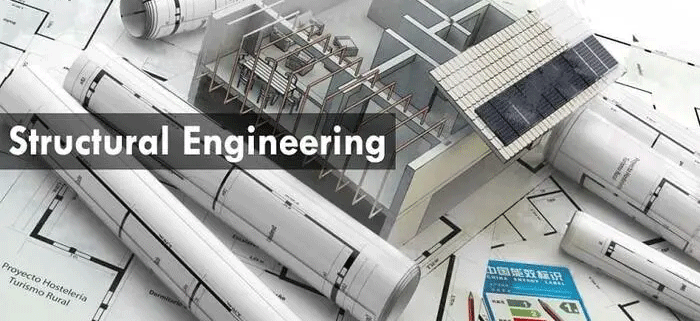
As technology continues to progress, the role of structural engineering is transforming. Find more info like 3D visualization and simulation software are becoming ever important, allowing engineers to visualize their designs more effectively and make informed decisions during the construction process. Moreover, the emphasis on sustainability is leading to the embracing of environmentally friendly materials and methods, altering how structures are designed and built, and setting the stage for future progress in the field.