Tips on Select the Suitable Tree Surgeon for All Your Requirements
Choosing a suitable tree surgeon can seem like a daunting task, especially if the health and safety of your trees are at stake. Trees not only enhance the beauty of your property and they also play a crucial role in the environment. However, maintaining their health and safety can at times require the expertise of a professional. Understanding the services tree surgeons offer and understanding when to call them is important to keeping your trees in ideal condition.
In this guide, we will explore the key factors to keep in mind when choosing a tree surgeon for your needs. From recognizing the signs that your tree requires professional attention to understanding the costs associated with tree removal, we aim to provide you with the knowledge required to make an informed decision. We will also explore the various services tree surgeons deliver, including tree pruning, emergency tree services, and stump removal. By the end of this article, you will be well-prepared to choose a qualified expert who can help you maintain the health and safety of your trees while enhancing the beauty of your outdoor space.
Signs The Tree Requires Help
Recognizing if a tree requires professional attention is essential for the health of the landscape. One of the primary indicators is the presence of dying branches. If you see that a large number of branches have little leaves or the bark is peeling, this can be a indication that the tree is not healthy and may need remediation. Additionally, if you notice any cavities in the trunk or signs of boring insects, it's sensible to contact a tree surgeon.
Another critical sign is the color and overall appearance of the leaves. Healthy trees typically have rich green leaves. If you find color changes or yellowing, this can suggest stress from insects, illness, or environment conditions. Moreover, wilting leaves or premature leaf drop can indicate that the tree is having difficulty. Keep an eye out for these signs throughout the vegetation season, as they can hint at underlying issues.
Finally, assessing the stability of the tree itself is vital. If a tree leans unusually or shows signs of root damage or ground erosion around its base, it might pose a safety risk. Trees that are poorly firmly anchored could potentially fall during storms, leading to structural damage or injury. If you think that your tree is in trouble or poses a threat, it is recommended to seek professional evaluation and, if necessary, assistance by a qualified tree surgeon.
Choosing a Tree Surgeon
When selecting a tree surgeon, it is important to think about their qualifications and certifications. Seek out professionals who are accredited by authority organizations, such as the International Society of Arboriculture (ISA). Such credentials indicate that the tree surgeon underwent training and complies with industry standards for safety and tree care practices. Additionally, liability coverage is crucial; make sure the tree surgeon has liability insurance to keep you safe from any potential accidents that may occur during their work.
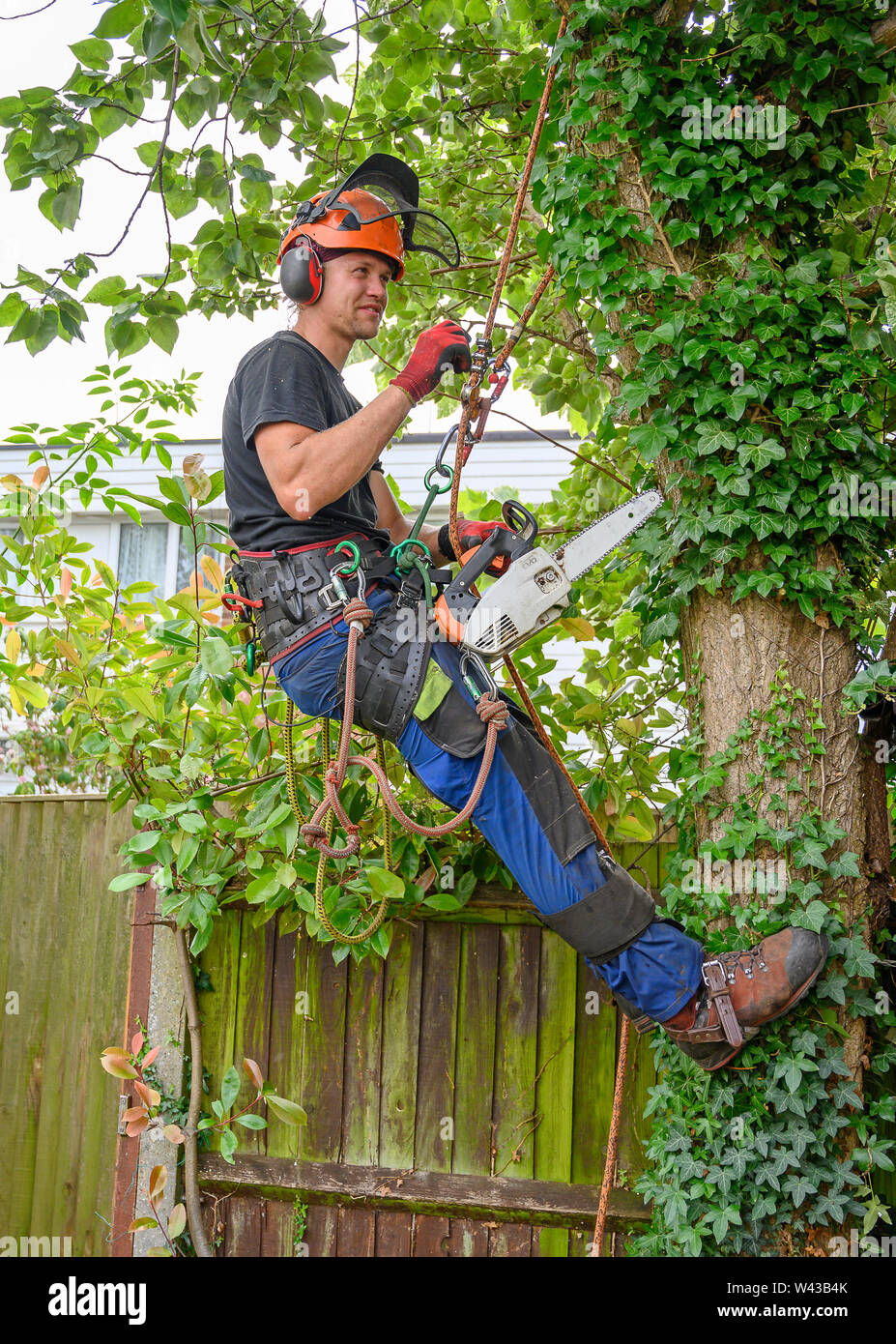
Reputation and expertise also play a significant role in your decision. Seek out reviews and testimonials from previous clients to assess their satisfaction with the tree surgeon's services. If possible, ask for recommendations from people you know who have had positive experiences. An skilled tree surgeon will have encountered various tree issues and treatments, giving them the knowledge necessary to address your specific situation effectively.
Ultimately, communication is key when selecting a tree surgeon. A reputable professional should be willing to answer your questions clearly and provide thorough information on their methods and services. It is essential to have confidence discussing your tree concerns and to have assurance that the surgeon understands your needs. Take the time to have consultations with a few various surgeons to evaluate their expertise and capability to communicate effectively before making the final decision.
Tree Maintenance Tips
Preserving the well-being of your arbors is crucial for their longevity and the safety of your property. Regular inspections are necessary to spot early signs of disease or harm. Be on the lookout for any odd color changes, dead branches, or leafy drop, which may show that your plant needs expert attention. Maintaining a close eye on your trees, notably after storms or harsh elements, can help you handle potential concerns before they escalate.
Adequate watering and mulching are important for tree health, especially during hot and low-moisture weather. Confirm young trees receive adequate water, notably during their early few years. Mulching around the base of the arbor can help hold soil humidity and reduce unwanted growth, but do not stacking bedding directly against the stem. This simple step fosters healthy flourishing and protects the plant from pests and illnesses.
Finally, consistent trimming is essential for upholding both condition and aesthetics. Knowing tree surgeon near me between tree trimming and tree trimming will enable you make knowledgeable decisions about your arbors’ maintenance. Trim during the best period of year to prevent harming the tree, and reflect on hiring a specialist when tackling bigger projects. Through adhering to these suggestions, you can benefit from the visual appeal and benefits of vital trees in your landscape for many years to come.